
A good tour can be the best day of a holiday: a reef you couldn't reach on your own, a guide who brings a landscape to life, a whale breaching close enough to hear. A poor choice can mean hours on a bus and twenty minutes at the place you came to see. Day Tour Guide is an independent information site that helps travellers in Australia choose tours well, understand their rights and stay safe. We explain the decisions in plain English and base our safety and consumer information on official sources such as the Australian Competition and Consumer Commission (ACCC), Moneysmart, Workplace Health and Safety Queensland, the Queensland Government, the Great Barrier Reef Marine Park Authority, NSW Environment and Heritage, Parks Australia, Cancer Council Australia and the Civil Aviation Safety Authority.
Plan and book with confidence
Our planning guides cover the decisions you make before you pay. Choosing a day tour explains how to read an itinerary, compare time on the main activity rather than total tour time, weigh up group size and inclusions, and check fitness requirements. Bookings, cancellations and refunds summarises what the ACCC says: consumer guarantees apply to tours within Australia, but not if you change your mind or miss the tour for your own reasons, and when a third party such as a park authority stops a tour, the booking terms largely decide what happens.
Travel insurance for tours explains why reading the product disclosure statement matters, since Moneysmart says exclusions often apply to "high risk" activities. And tours with kids helps families choose tours that suit their children's ages and energy.
Reef and wildlife
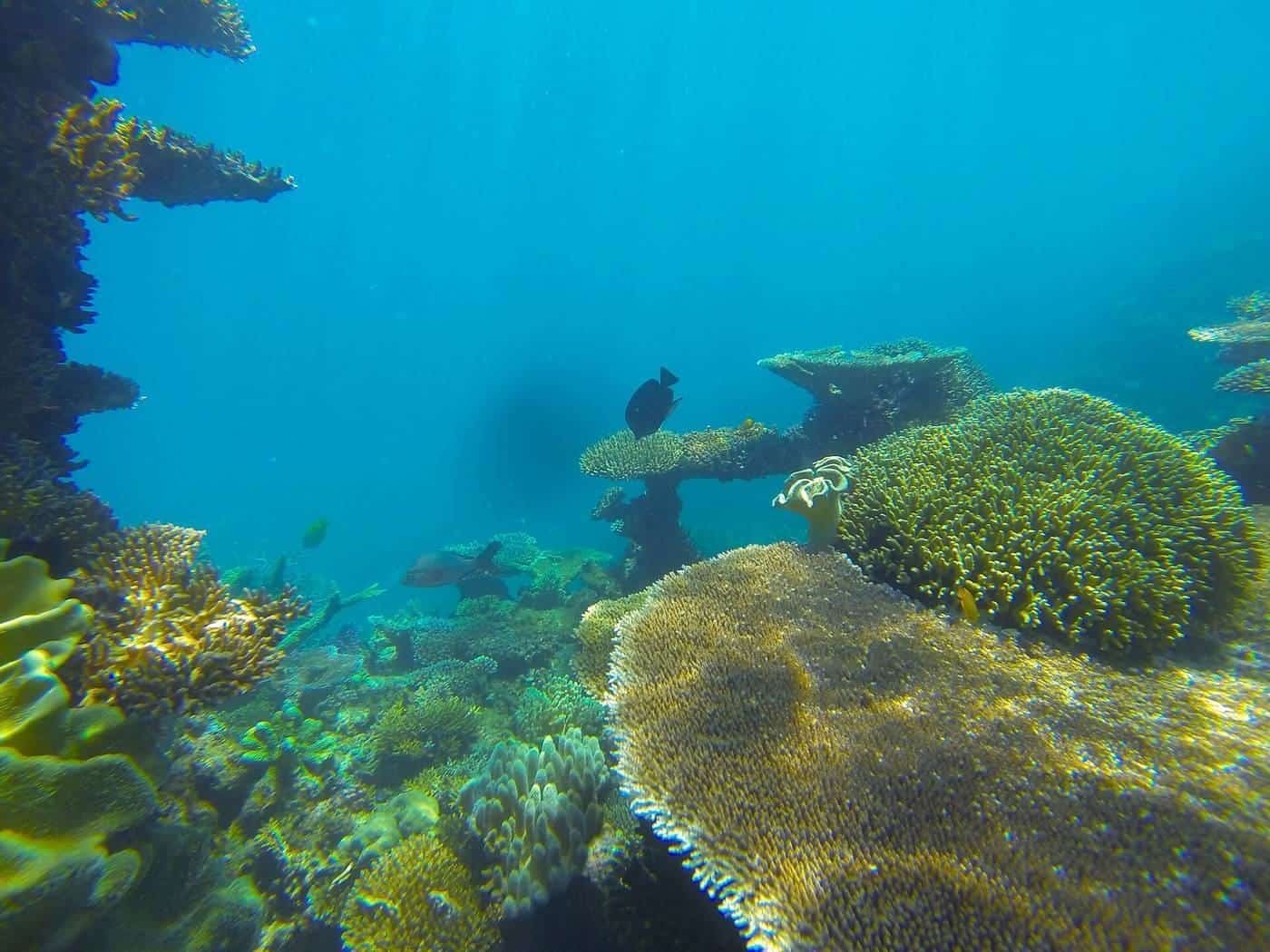
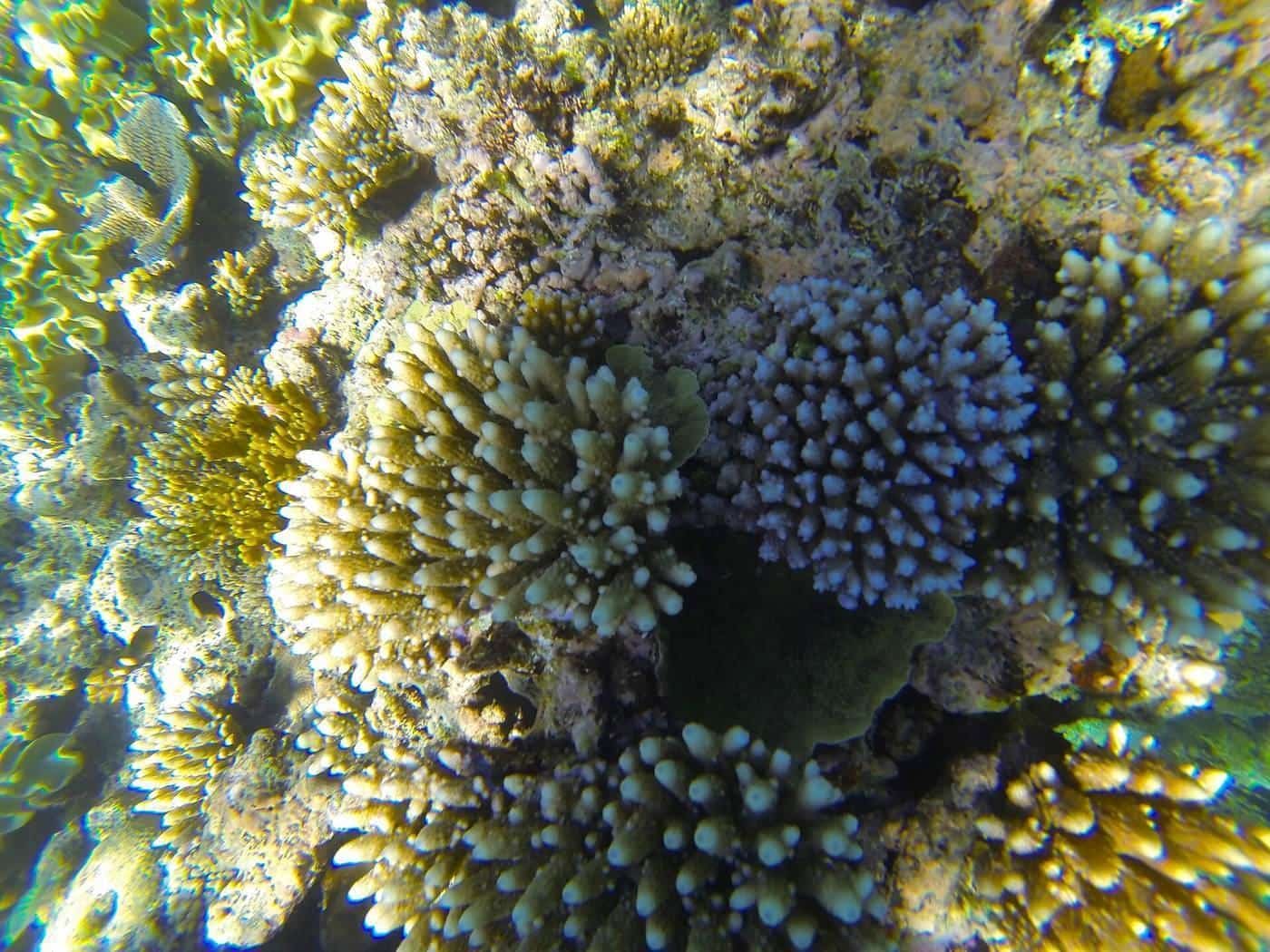
Our reef and wildlife guides help you choose marine tours and stay safe in the water. Reef day trips compares pontoon trips, small boats, sailing trips and island trips. Snorkelling safety explains Workplace Health and Safety Queensland's guidance: about 1.1 million people snorkel in Queensland each year, an average of five snorkellers die each year at Queensland workplaces, and in most of those deaths the snorkeller wasn't using flotation.
Marine stingers and crocodiles summarises Queensland Government advice on box jellyfish, Irukandji, crocodiles, sharks and blue-ringed octopus. Whale watching tours covers migration seasons and the approach distances that protect whales.
The great outdoors
Our outdoors guides cover some of Australia's most popular outdoor experiences. Uluṟu tours explains planning a visit to Uluṟu-Kata Tjuṯa National Park, the climb closure and park rules. Sun and heat on tours covers Cancer Council's five sun protection steps and the signs of heat illness. Wine and food tours explains tasting etiquette and the NHMRC's drinking guidelines, and flying a drone on holiday summarises CASA's rules for travellers.
Compare tours by what you actually get
Headline prices don't tell you much on their own. One tour might include lunch, park fees and equipment, while another charges extra on the day. One might spend five hours at the reef and another two. Our free tour value comparer, below, lets you enter up to three tours with their price per person, any extras and the number of hours you'll spend on the main activity, plus the size of your group. It shows the cost per person for each activity hour and the total for your group, and highlights the lowest cost per hour. It's a quick way to compare tours fairly, but it isn't the whole story: guide quality, group size, safety and the experience itself matter too.
Five things to check before you book
- Time on the activity. How long will you actually spend at the reef, the rock or the vineyard?
- What's included. Transport, entry fees, meals, equipment and stinger suits all affect the real price.
- Group size and pace. Smaller groups usually mean less waiting and more time with the guide.
- Fitness and health. Read the requirements, and tell the operator about medical conditions, especially before water activities.
- Cancellation and weather terms. Read them, and any booking platform's terms, before you pay.
Safety basics for tours in Australia
- Sun: Cancer Council recommends using all five sun protection steps whenever the UV index is 3 or above, with SPF50+ sunscreen applied 20 minutes before going outside and every two hours afterwards.
- Water: wear a flotation vest when snorkelling, snorkel with a buddy and listen to the briefing.
- Stingers: in tropical Queensland, stingers are present year-round, with higher risk from November to May. Wear a lycra suit and swim inside nets at patrolled beaches.
- Reef etiquette: don't touch or stand on coral, and stay more than a metre from giant clams, as GBRMPA's Responsible Reef Practices ask.
- Wildlife: in NSW, vessels must stay at least 100 m from whales.
- Alcohol: the NHMRC recommends no more than 4 standard drinks on any day for healthy adults.
- Drones: CASA's rules include flying below 120 m and at least 30 m from people, and many parks restrict drones.
- Emergencies: call Triple Zero (000).
How we write our guides
We research each guide from official and authoritative sources and link to them at the end of every page, so you can check the details yourself. Rules, seasons and advice can change, so check current information with the relevant agency or operator before you travel. We don't publish prices for specific tours, which change often, and we don't rank operators. Read our editorial policy for more about how we work, and about us to learn who we are.
For tour operators
If you run tours and would like to be considered for a listing, see feature your business. Any paid features are clearly labelled and don't affect our guides.
Who we are
Day Tour Guide is an independent Australian travel information site. We're not affiliated with any tour operator, booking platform or government agency. Our goal is simple: help you choose tours you'll love and come home safely.